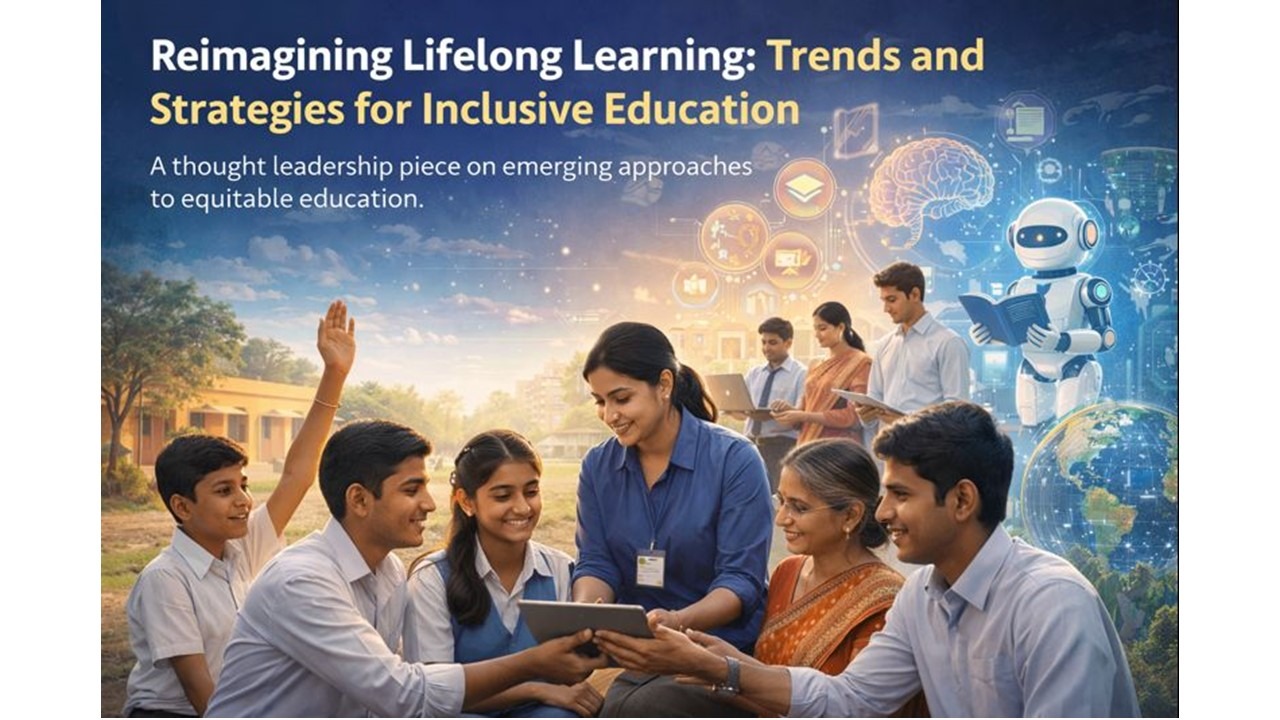
Lifelong learning is no longer a peripheral concept reserved for academic discourse; it has become a critical pillar of inclusive and sustainable development. As societies navigate rapid technological change, demographic shifts, and evolving labour markets, education systems must transform to ensure that learning remains accessible, relevant, and equitable for all. Reimagining lifelong learning is therefore not simply about expanding opportunities—it is about redesigning systems to include those historically left behind.
At its core, lifelong learning recognizes that education does not end with formal schooling. Learning occurs across the lifespan, in formal, non-formal, and informal settings. This perspective is particularly important in addressing inequality, as it creates second and third chances for individuals who may have faced social, economic, or geographic barriers to education earlier in life. Inclusive lifelong learning empowers individuals to adapt, participate meaningfully in society, and improve their quality of life.
One of the most significant trends shaping lifelong learning is the growing emphasis on skill-based and competency-driven education. Traditional degree-centric models are increasingly being complemented by modular learning, micro-credentials, and vocational pathways. These approaches allow learners to acquire practical, job-relevant skills at different stages of their lives, often while balancing work and family responsibilities. When designed inclusively, such models can support youth entering the workforce, women rejoining employment after career breaks, and adults seeking reskilling or upskilling opportunities.
Digital learning technologies have also played a transformative role in expanding access to education. Online platforms, blended learning models, and mobile-based education have the potential to reach learners in remote and underserved communities. However, digital inclusion must go beyond mere access to devices and connectivity. It requires investments in digital literacy, accessible content in local languages, and learner-centric design that accommodates diverse abilities and learning styles. Without these considerations, digital learning risks reinforcing existing inequalities rather than reducing them.
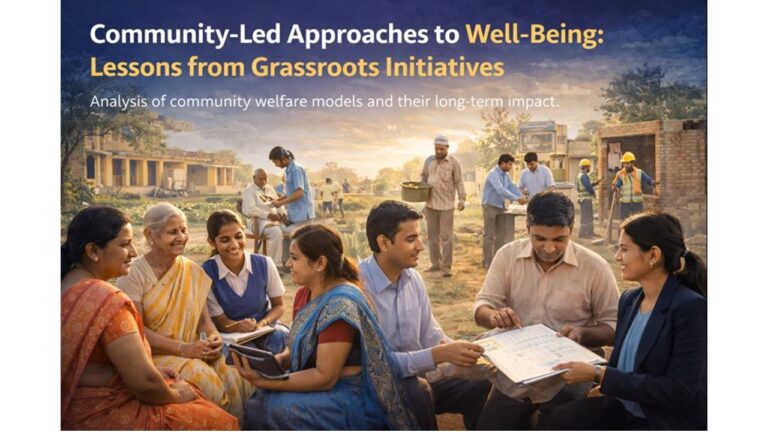
Another important shift is the growing recognition of community-based and experiential learning. Learning rooted in local contexts—through community centres, civil society initiatives, and peer learning networks—can be more responsive to the real needs of learners. Such approaches value lived experience and indigenous knowledge, fostering dignity and relevance in education. Community-driven learning models are particularly effective in engaging marginalized groups, as they build trust and reduce cultural and institutional barriers to participation.
Inclusive lifelong learning also demands a renewed focus on educators and facilitators. Teachers, trainers, and mentors play a central role in creating supportive learning environments. Continuous professional development, exposure to inclusive pedagogies, and training in learner diversity are essential to equip educators for evolving educational landscapes. Empowered educators are better positioned to identify learner needs, adapt teaching methods, and foster confidence and motivation among learners of all ages.
Policy and governance frameworks must evolve alongside these trends. Inclusive lifelong learning requires coordination across education, employment, social welfare, and digital development policies. Flexible accreditation systems, recognition of prior learning, and sustainable funding mechanisms are crucial to ensure that learning pathways remain open and interconnected. Importantly, learners themselves must be involved in shaping these systems, ensuring that policies reflect real aspirations and challenges.
Reimagining lifelong learning is ultimately about equity, dignity, and opportunity. By embracing flexible learning pathways, leveraging technology responsibly, strengthening community engagement, and investing in educators, societies can build education systems that serve everyone—not just a privileged few. Inclusive lifelong learning is not merely an educational goal; it is a social imperative that underpins resilient economies, cohesive communities, and empowered individuals.